Our Treatment Programs

At MC Mental Health, we offer a full continuum of care designed to meet you exactly where you are in your recovery journey. From medically supervised detox to long-term aftercare, our Los Angeles treatment center provides personalized, evidence-based programs that heal the whole person.

Medical Detoxification

Detox is the critical first step in your recovery. At MC Mental Health, our medically supervised detoxification program ensures your safety and comfort as your body clears harmful substances under the care of our experienced clinical team.

Why Medical Supervision Matters

Withdrawal from drugs and alcohol can produce dangerous, even life-threatening symptoms. Attempting to detox alone, without medical oversight, puts your health at serious risk. At our Los Angeles treatment center, our on-site medical staff monitors your vital signs around the clock, administers medications to ease withdrawal symptoms, and intervenes immediately if complications arise.

Our physicians utilize medication-assisted treatment (MAT) when clinically appropriate, helping to reduce cravings, stabilize brain chemistry, and dramatically improve your chances of completing detox safely. Every detox plan is tailored to your substance history, medical background, and personal needs.

Key Features of Our Detox Program

  • 24/7 medical monitoring by licensed nurses and physicians
  • Medication-assisted treatment (MAT) for withdrawal management
  • Individualized detox protocols based on substance type and severity
  • Comfortable, private rooms in a calm, supportive environment
  • Nutritional support and hydration therapy
  • Seamless transition planning to residential or outpatient care
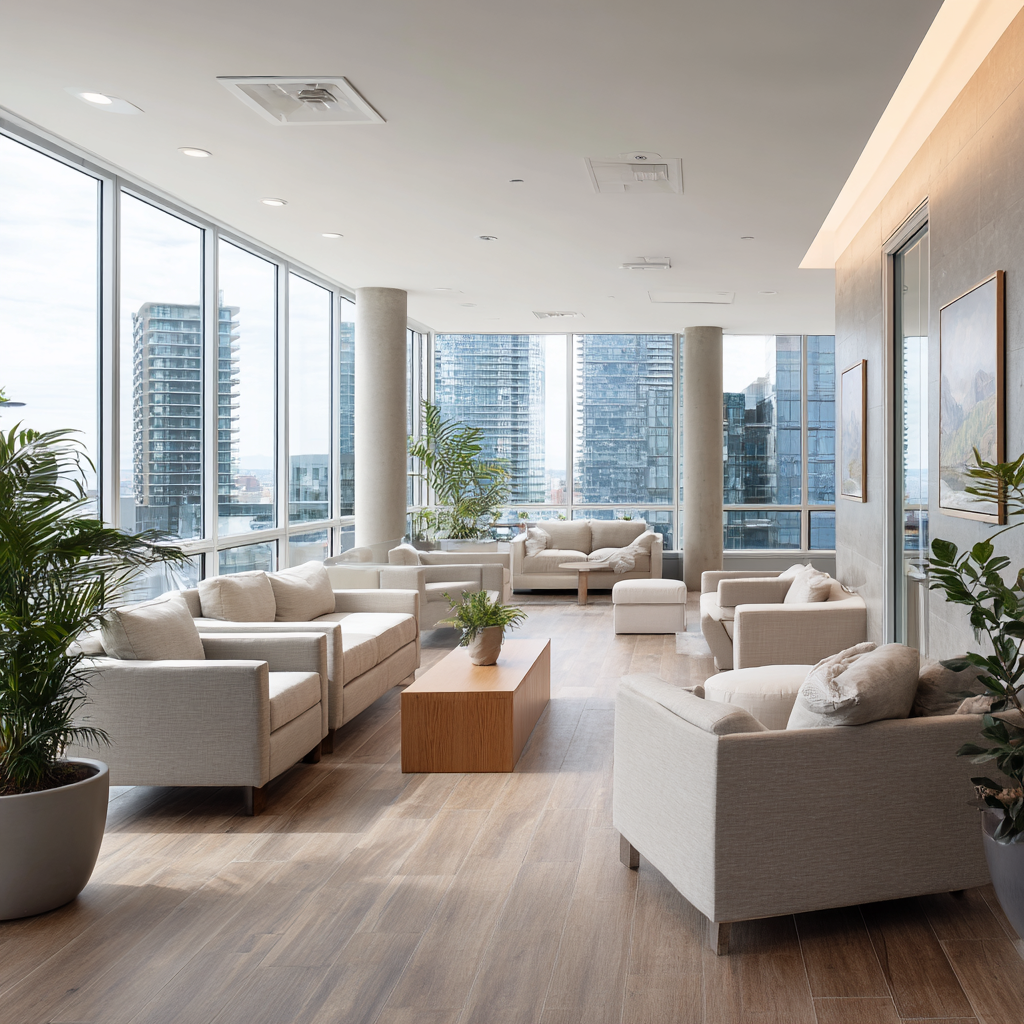
Medical detox facility at MC Mental Health in Los Angeles, California

The Detox Process

Assessment

Upon arrival, our clinical team conducts a thorough medical and psychological evaluation. We review your substance use history, medical conditions, mental health status, and personal goals to create a personalized detox plan tailored specifically to you.

Stabilization

During the active detox phase, our medical team manages withdrawal symptoms with evidence-based medications and around-the-clock monitoring. We ensure your safety, comfort, and dignity throughout the entire process, typically lasting 3 to 7 days.

Transition to Treatment

Once medically stable, your care team works with you to develop a seamless transition plan into residential treatment, outpatient programming, or dual diagnosis care at our facility, ensuring continuity and momentum in your recovery.

Substances We Treat

Alcohol

Medically managed alcohol withdrawal to prevent delirium tremens and seizures.

Opioids & Heroin

MAT-supported detox using Suboxone or other FDA-approved medications.

Fentanyl

Specialized protocols for potent synthetic opioid detoxification and stabilization.

Prescription Drugs

Safe tapering and withdrawal management for painkillers, sedatives, and stimulants.

Cocaine & Methamphetamine

Symptom management and stabilization for stimulant withdrawal and cravings.

Benzodiazepines

Gradual medical tapering protocols to prevent dangerous benzo withdrawal complications.

Marijuana

Support for cannabis dependence withdrawal including insomnia, anxiety, and appetite changes.

3-7 Day Duration
24/7 Medical Monitoring
MAT Available

Residential Treatment

Our residential program provides round-the-clock therapeutic care in a structured, supportive environment. By removing the distractions and triggers of everyday life, clients can fully focus on healing, growth, and building a strong foundation for lasting recovery.

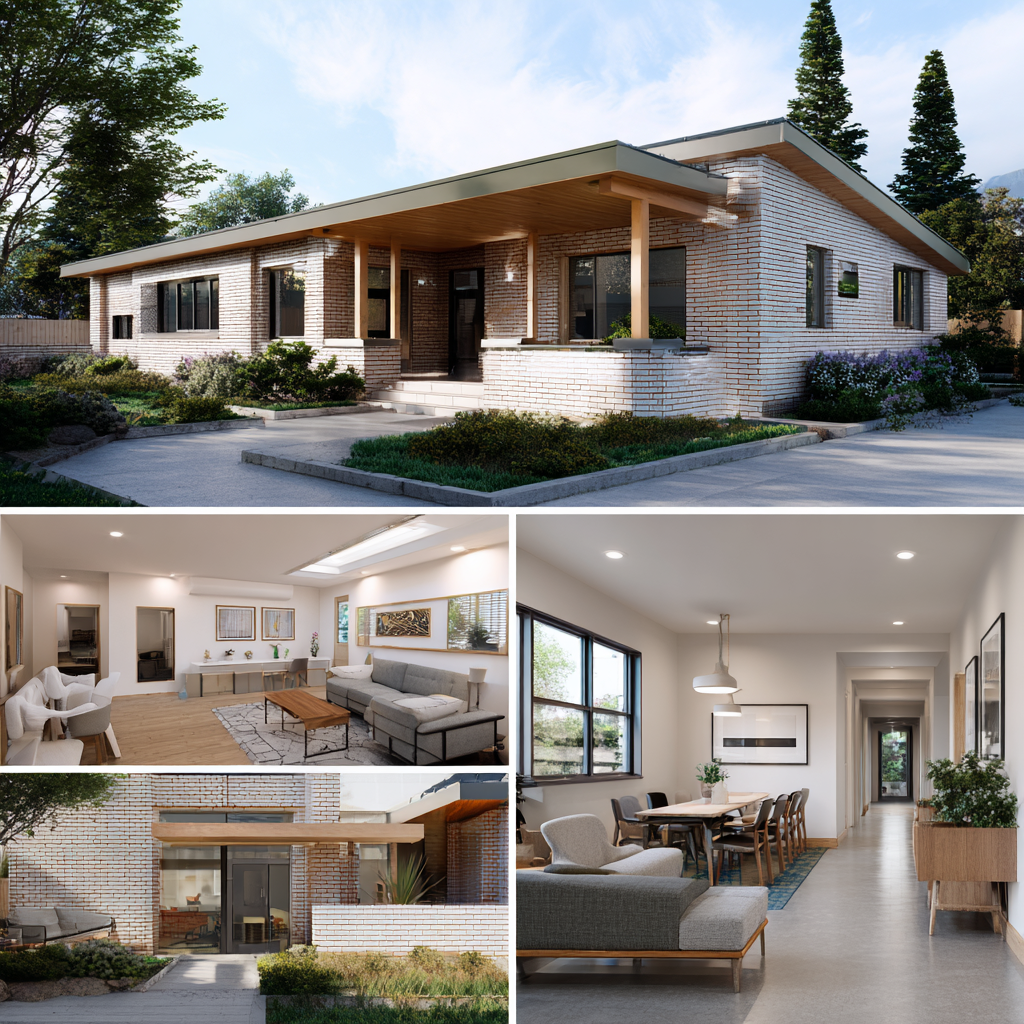
Residential treatment environment at MC Mental Health in Los Angeles, California

What Is Residential Treatment?

Residential treatment, also known as inpatient rehab, means you live full-time at our Los Angeles facility while receiving intensive, structured therapy. Our on-site clinical team works with you daily through individual counseling, group therapy, family sessions, and holistic wellness activities to address the root causes of addiction.

This level of care is ideal for individuals who need a safe, substance-free environment away from daily triggers, those with a history of relapse, or anyone who requires a higher intensity of clinical support than outpatient programming can provide.

Who Is Residential Treatment For?

  • Individuals completing medical detox who need continued intensive care
  • Those with a history of multiple relapses or treatment attempts
  • People in unstable or triggering home environments
  • Clients with co-occurring mental health conditions requiring close monitoring
  • Anyone seeking the structure and accountability of an immersive program

Program Options

We offer flexible residential stays of 30, 60, and 90 days. Your care team will recommend a duration based on your clinical needs, substance history, and recovery goals. Longer stays are associated with significantly better long-term outcomes.

Sample Daily Schedule

Time Activity Details
6:30 AM Wake-Up & Morning Routine Personal hygiene, journaling, and mindful start to the day
7:00 AM Breakfast Chef-prepared, nutritious meals in our dining area
8:00 AM Morning Meditation & Yoga Guided mindfulness practice and gentle movement
9:00 AM Group Therapy Process group led by licensed therapist, peer support and shared insights
10:30 AM Individual Therapy One-on-one session with your primary counselor (CBT, DBT, MI)
12:00 PM Lunch Balanced meal with dietary accommodations available
1:00 PM Psychoeducation Workshop Topics include relapse prevention, coping skills, and life skills
2:30 PM Recreational Therapy Art therapy, music therapy, fitness, or outdoor activities
4:00 PM Free Time & Reflection Journaling, reading, or connecting with peers
5:30 PM Dinner Nutritious evening meal with the community
6:30 PM 12-Step or Support Group AA, NA, SMART Recovery, or faith-based group meeting
8:00 PM Evening Wind-Down Relaxation activities, phone time, and personal care
10:00 PM Lights Out Rest and recovery in comfortable private or semi-private rooms

What Makes Our Residential Program Different

Low Client-to-Staff Ratio

Personalized attention from therapists, counselors, and medical professionals who know you by name.

Evidence-Based Modalities

CBT, DBT, motivational interviewing, trauma-informed care, and experiential therapies proven to support lasting change.

Family Involvement

Weekly family therapy sessions and educational workshops to rebuild trust and strengthen your support system.

Outpatient Treatment Programs

Our outpatient programs deliver clinical-grade addiction treatment while allowing you to live at home, attend school, or maintain employment. Whether stepping down from residential care or entering treatment for the first time, our PHP and IOP tracks provide the flexibility and structure you need.

Partial Hospitalization Program (PHP)

Our PHP provides the highest level of outpatient care, often serving as a direct step-down from residential treatment. Clients attend our Los Angeles facility 5 to 6 days per week for 5 to 6 hours daily, participating in intensive therapy, group counseling, psychiatric sessions, and skill-building workshops.

  • Duration: 2 to 4 weeks (individualized)
  • Schedule: Monday through Saturday, 9:00 AM - 3:00 PM
  • Includes: Individual therapy, group therapy, psychiatric care, relapse prevention, and wellness activities
  • Ideal for: Clients transitioning from residential treatment who still require daily clinical support

Intensive Outpatient Program (IOP)

Our IOP is designed for clients who need structured therapeutic support while maintaining work, school, or family responsibilities. Clients attend our facility 3 to 4 days per week for 3 hours per session, with both morning and evening tracks available.

  • Duration: 8 to 12 weeks (individualized)
  • Schedule: Morning track (9:00 AM - 12:00 PM) or Evening track (5:30 PM - 8:30 PM)
  • Includes: Group therapy, individual counseling, skills workshops, and relapse prevention planning
  • Ideal for: Clients stepping down from PHP or those with moderate treatment needs

Standard Outpatient

For those in later stages of recovery, our standard outpatient track provides ongoing support with 1 to 2 sessions per week focused on relapse prevention, continued skill development, and accountability. This level of care helps you maintain the gains made in more intensive programming.

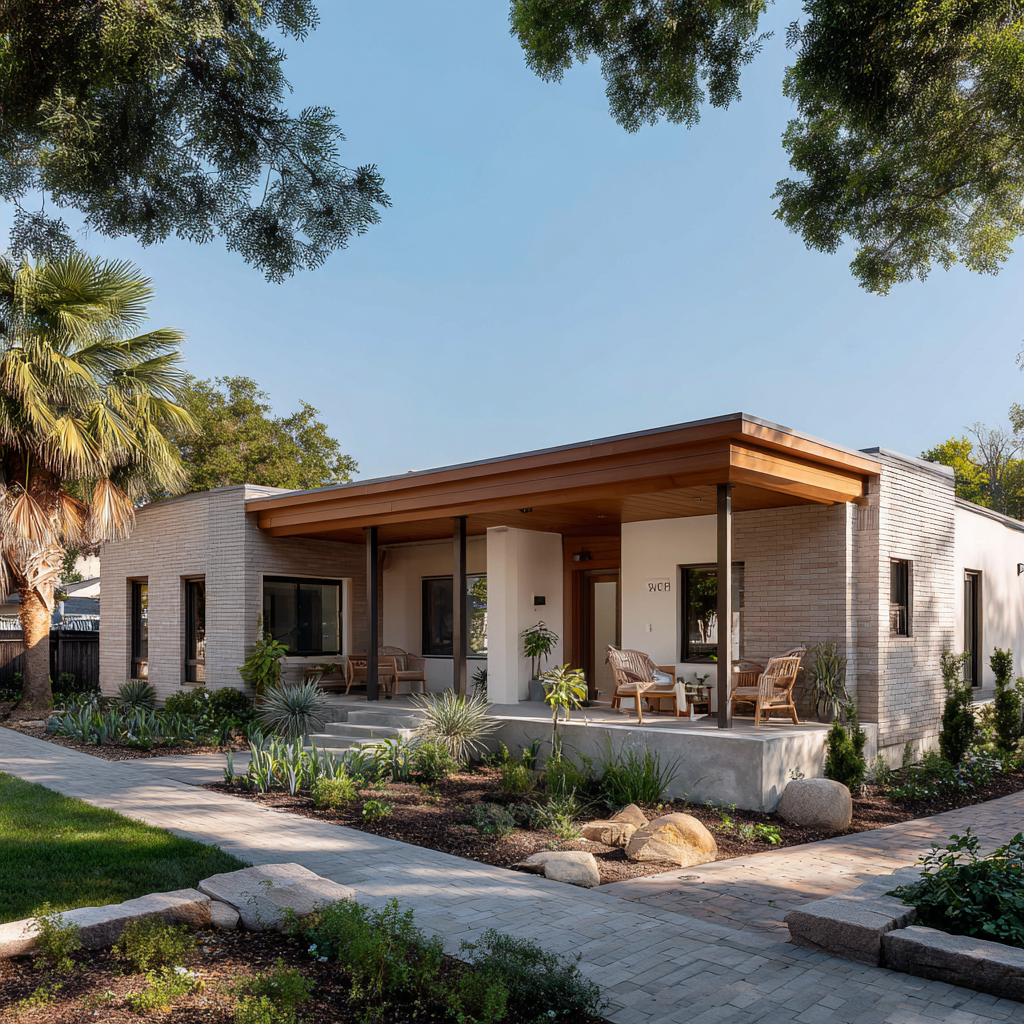
Outpatient treatment facility at MC Mental Health in Los Angeles, California

Compare Our Outpatient Programs

Feature PHP IOP Standard Outpatient
Days per Week 5-6 days 3-4 days 1-2 days
Hours per Day 5-6 hours 3 hours 1-1.5 hours
Typical Duration 2-4 weeks 8-12 weeks Ongoing
Individual Therapy 2x per week 1x per week Bi-weekly
Group Therapy Daily 3-4x per week 1x per week
Psychiatric Support Weekly Bi-weekly As needed
Best For Step-down from residential Moderate needs / work-life balance Maintenance & relapse prevention

The Step-Down Path to Independence

Residential

Begin with full-time immersive care in our residential program. Build a strong foundation with 24/7 support, structured routines, and intensive therapy.

PHP

Transition to our Partial Hospitalization Program for continued daily treatment while beginning to reintegrate into your home and community.

IOP

Step down to Intensive Outpatient for flexible, part-time treatment that supports your return to work, school, and daily responsibilities.

Aftercare

Continue with standard outpatient sessions and alumni support to maintain long-term sobriety and thrive in your new life beyond treatment.

Dual Diagnosis Treatment

Nearly half of all individuals struggling with addiction also live with a co-occurring mental health disorder. At MC Mental Health, we treat both conditions simultaneously, because addressing only one leaves the other untreated and dramatically increases the risk of relapse.

What Is Dual Diagnosis?

Dual diagnosis, also called co-occurring disorders, refers to the presence of both a substance use disorder and a mental health condition at the same time. These conditions feed into each other: untreated depression can drive someone to self-medicate with alcohol, while chronic drug use can trigger anxiety disorders, psychosis, or mood instability.

At our Los Angeles treatment center, our psychiatric and clinical teams work side by side to deliver integrated treatment that addresses the full picture of your health. Rather than treating addiction in one program and mental health in another, we weave both into a single, cohesive plan of care.

Common Co-Occurring Conditions We Treat

  • Major Depressive Disorder (MDD) - Persistent sadness, hopelessness, and loss of interest that often accompanies substance use
  • Generalized Anxiety Disorder (GAD) - Chronic worry, restlessness, and physical tension frequently linked to addiction
  • Post-Traumatic Stress Disorder (PTSD) - Trauma responses and hypervigilance that many individuals attempt to manage through substance use
  • Bipolar Disorder - Extreme mood swings and impulsivity that increase vulnerability to substance abuse
  • Obsessive-Compulsive Disorder (OCD) - Intrusive thoughts and compulsive behaviors that can co-exist with addictive patterns
  • Personality Disorders - Including borderline personality disorder, which frequently presents alongside substance dependence
Dual diagnosis treatment session at MC Mental Health in Los Angeles, California

Our Integrated Treatment Approach

Our dual diagnosis program combines psychiatric care with addiction treatment at every level. Our multidisciplinary team collaborates daily to ensure your mental health and recovery needs are addressed cohesively.

Psychiatric Evaluation & Medication Management

Board-certified psychiatrists conduct comprehensive assessments and prescribe medication to stabilize mood, reduce anxiety, and manage psychiatric symptoms alongside addiction treatment.

Cognitive Behavioral Therapy (CBT)

Identify and restructure negative thought patterns and behaviors that drive both substance use and mental health symptoms. CBT equips you with practical coping strategies for daily life.

Dialectical Behavior Therapy (DBT)

Learn distress tolerance, emotional regulation, mindfulness, and interpersonal effectiveness skills. DBT is particularly effective for clients with borderline personality and mood disorders.

Group Therapy

Process groups provide peer connection, shared understanding, and accountability. Specialized groups address topics like trauma recovery, grief, anger management, and relapse prevention.

Individual Counseling

Weekly one-on-one sessions with your primary therapist to explore personal trauma, build coping skills, process emotions, and develop your individualized recovery plan.

Family Therapy

Addiction and mental illness affect the entire family system. Our family therapists facilitate healing conversations, education, and boundary-setting to rebuild healthy relationships.

Holistic & Experiential Therapies

Yoga, meditation, art therapy, music therapy, breathwork, and fitness programming complement clinical treatment by nurturing the mind-body connection essential to recovery.

Trauma-Informed Care

Our entire clinical approach is rooted in trauma-informed principles, recognizing that trauma is often at the core of both addiction and mental health disorders.

Life Skills & Relapse Prevention

Develop practical skills for managing triggers, building healthy routines, navigating relationships, and maintaining sobriety long after treatment ends.

Not Sure Which Program Is Right for You?

You do not need to have all the answers before reaching out. Our admissions counselors are available around the clock to listen to your story, answer your questions, and help determine which level of care is the best fit. Every conversation is free, confidential, and completely obligation-free.

(209) 692-4040

Available 24 Hours a Day, 7 Days a Week